Phone Systems for Remote and Hybrid Teams

Hybrid working is now normal, but a lot of business phone systems still assume everyone sits at the same desk every day. If your team is split between the office, home and the road, the right phone system keeps you sounding like one joined-up business no matter where anyone is. This guide explains what to look for.

What are remote worker phone systems?

Remote worker phone systems let your team make and take business calls on one number from anywhere, whether that is at home, in the office or on the road. Government home working guidance covers the security side.
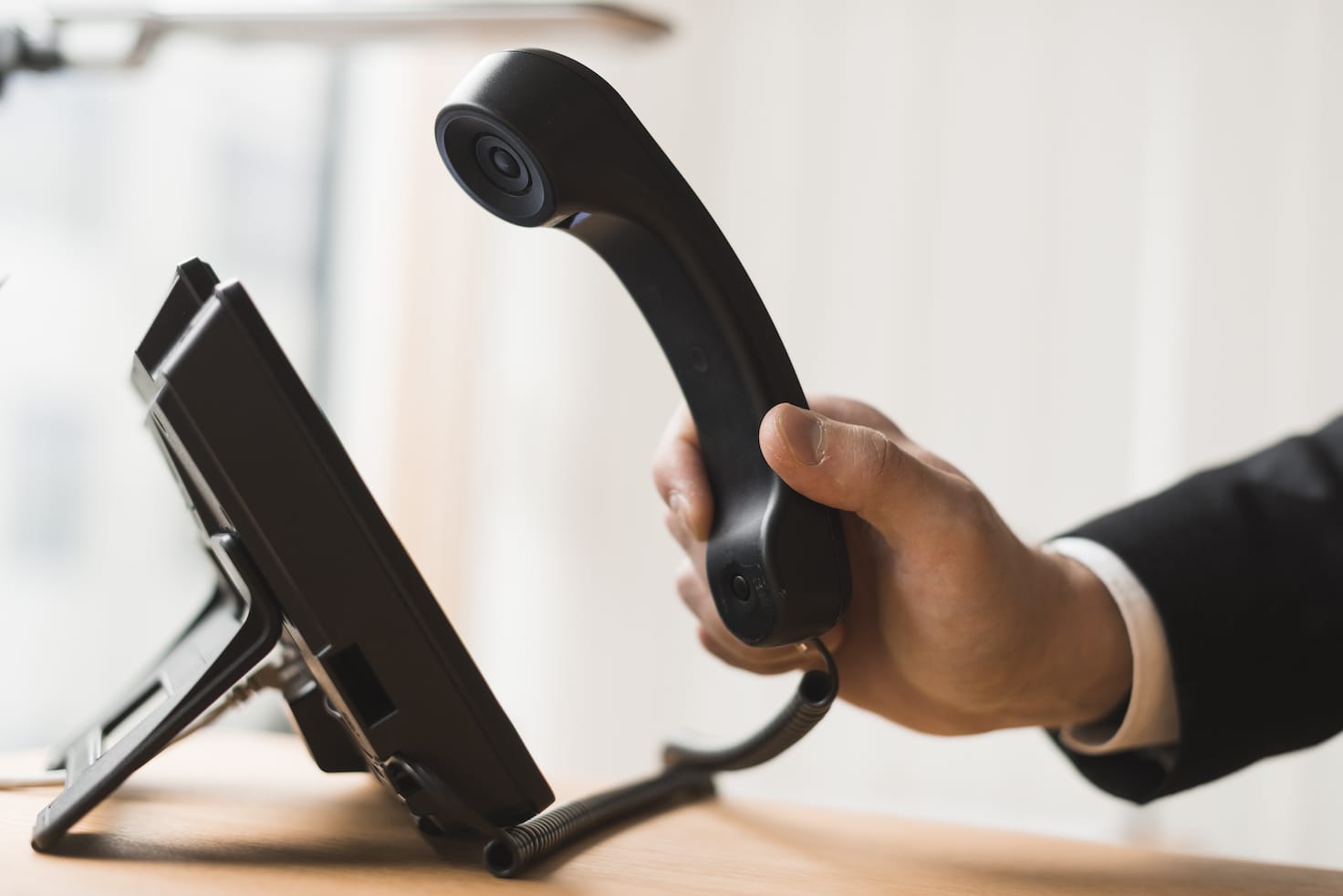
Remote worker phone systems used by a person on a headset

Why traditional phone systems struggle with hybrid work

A traditional system ties each extension to a physical handset in the office. When staff work from home, calls get missed, people hand out personal mobile numbers, and you lose the professional front and the call records that matter. It also makes it hard to know who is available. Hybrid teams need a system built around people, not desks.

What a modern remote phone system does

Modern VoIP phone systems run in the cloud, so the same system reaches every person wherever they are working. The key features for hybrid teams are:

  • One number, any device: your office number rings on a desk phone, laptop and mobile app at the same time.
  • Presence and status: see who is available, on a call or away, across the whole team.
  • Call routing: send calls to the right person or team automatically, wherever they are.
  • Voicemail to email: messages land in the inbox so nothing is missed at home.
  • Call recording and reporting: keep the same records and oversight you had in the office.

Keep work and personal separate

One of the biggest wins is that staff no longer use personal mobiles for work. They make and take business calls through the app, so your number is shown, calls are logged, and personal numbers stay private. When someone leaves, the number and history stay with the business.

What you need for reliable remote calling

Remote calling is only as good as the connection behind it. Each location needs decent broadband, and the office benefits from a business grade line such as SoGEA or full fibre. A good setup also includes failover, so if someone’s home internet drops, calls divert automatically to their mobile.

Getting the numbers right

Hybrid teams often want a professional national or local presence rather than a scatter of mobile numbers. We can help you choose and set up the right numbers on our business phone numbers page, and port any existing numbers across.

How ATS Connection can help

We set up cloud phone systems for hybrid and remote teams across West Sussex, so everyone works from one system whether they are in the office or at the kitchen table. We handle the connectivity, the apps, the numbers and the support. Get a quote or call 01903 255 159.

Frequently asked questions

What is the best phone system for remote workers?

A cloud based VoIP system is best, because it reaches staff on a desk phone, laptop or mobile app using the same business number, wherever they are working.

Can staff use their office number from home?

Yes. With a hosted phone system the office number rings on their home device or mobile app, and outbound calls show the business number too.

Do remote workers need to use their personal mobiles?

No. They make and receive business calls through the app, so personal numbers stay private and every call is still logged by the business.

What internet do I need for a remote phone system?

A reliable broadband connection at each location. Business grade broadband in the office and failover to mobile give the most dependable setup.

Is a cloud phone system secure?

Yes. Reputable hosted systems use encryption and secure data centres, and calls and records stay within the business rather than on personal devices.

The Real Cost of 0333, 0345 and 0800 Numbers

Thinking about a memorable business number but not sure what it will cost, either for you or for the people calling you? The rules around 03, 0845 and 0800 numbers are widely misunderstood. Here is a clear, up to date breakdown of what each type of number really costs in the UK.

What is the cost of an 0800 number?

The 0800 number cost sits with the business rather than the caller, because 0800 and 0808 numbers are free to call, so it pays to understand how each number type is charged. The regulator Ofcom sets the rules.

Understanding 0800 number cost for a business phone line

The two costs to understand

Every non-geographic number has two sides: what it costs the caller, and what it costs you as the business. Getting these the right way round is the key to choosing wisely.

0333 and 03 numbers

0333 numbers (and all 03 numbers) cost callers exactly the same as calling a standard 01 or 02 landline, and they are included in any inclusive minutes bundle on mobiles and landlines. For the business, an 03 number is inexpensive to run and gives you a professional national presence that is not tied to one town. For most businesses, 0333 is the sweet spot.

0345 and 0344 numbers

0345 and 0344 numbers work just like 03 numbers for the caller: charged at standard geographic rates and included in bundles. They are often held by established businesses that moved over from older 0845 and 0844 numbers. If you still have an 0845 number, moving to 0345 keeps the familiar digits while making calls cheaper for your customers.

0800 and 0808 freephone numbers

0800 and 0808 numbers are free for the caller, including from mobiles. That makes them powerful for sales lines, customer service and anything where you want to remove every barrier to picking up the phone. The trade off is that the business pays for the inbound calls, so the cost sits with you rather than the caller. Used well, a freephone number can pay for itself in extra enquiries.

The old 0845 and 0844 numbers

These numbers add a service charge on top of the caller’s normal rate, so they are now seen as customer unfriendly and, in some sectors, are not allowed for customer service lines. If you still run one, it is worth moving to an 03 number to keep your customers happy and avoid complaints.

Which number should your business choose?

  • Want a professional, low cost national number? Choose 0333.
  • Moving from an old 0845 number? Switch to 0345 to keep it familiar but cheaper to call.
  • Running sales or support lines where you want maximum calls? Consider 0800 freephone.
  • Still on 0844 or 0845? Move off it, as it puts customers off and may breach the rules.

How ATS Connection can help

We supply and manage the full range of business numbers, and route them into your VoIP phone system so calls reach the right people wherever they work. See the options on our business phone numbers page, or get a quote and we will recommend the right setup. Call 01903 255 159.

Frequently asked questions

How much does it cost to call an 0333 number?

0333 numbers cost the same as calling an 01 or 02 landline and are included in inclusive minutes on mobile and landline plans, so most callers pay nothing extra.

Are 0345 numbers free to call?

No, but they are charged at standard geographic rates and included in call bundles, so they cost the caller the same as a normal landline number.

Who pays for an 0800 freephone number?

The business does. 0800 and 0808 numbers are free for the caller, including from mobiles, with the inbound call cost paid by the company.

Should I move away from an 0845 number?

Usually yes. 0845 and 0844 numbers add a service charge for callers, are seen as customer unfriendly, and are banned for some customer service lines. Moving to 0345 or 0333 is better.

Which business number is best?

For most businesses a 0333 number is ideal: cheap to run, free within bundles for callers and a professional national presence. Choose 0800 where you want to encourage the maximum number of calls.